2025-12-04
Busan Functional Rhinoplasty: Why a Comfortable Nose is as Important as its Shape
Busan functional rhinoplasty addresses breathing issues, not just aesthetics. Chronic nasal congestion, mouth breathing during sleep, or shortness of breath during exercise often indicate functional problems. Improving nasal airflow is crucial for better sleep and daily life.

Busan functional rhinoplasty is not merely a cosmetic surgery to make the nose look pretty; it is a medical procedure aimed at correcting the function of breathing.
People who frequently experience severe nasal congestion, breathe through their mouth while sleeping, or get easily out of breath during exercise often have functional problems.
Nasal congestion can lead to a decrease in sleep quality and make daily life difficult, which is why many people seek to improve this aspect.
Although the nose is at the center of the face, its more important role than its ‘appearance’ is to ensure smooth airflow.
If this function is compromised, even if there appears to be no external problem, functional issues will cause persistent discomfort.
The need for Busan functional rhinoplasty arises because there are various causes of functional problems, and it is important to correct and improve them.
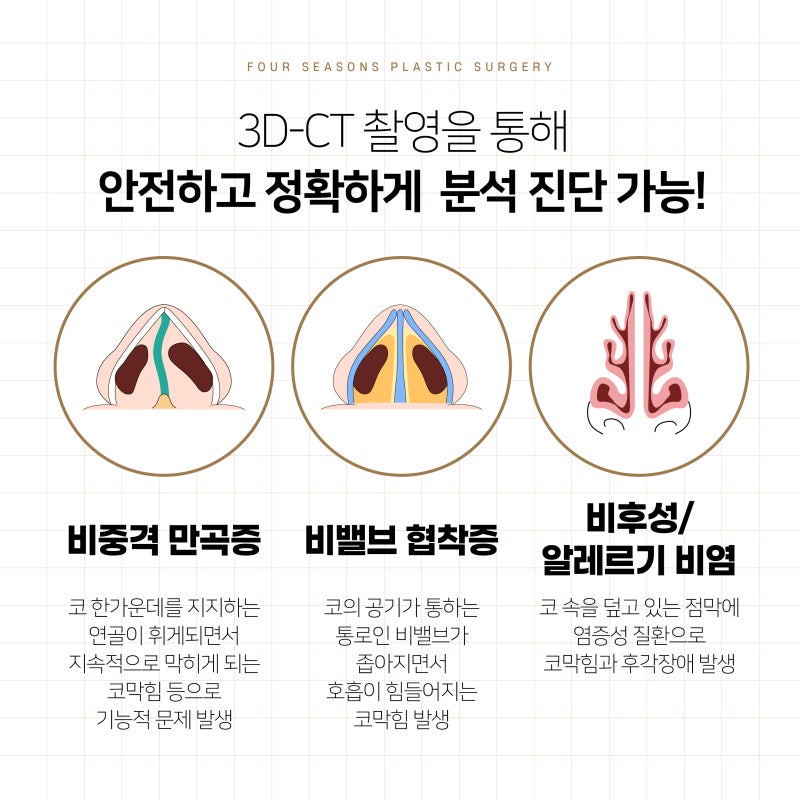
A deviated septum, where the cartilage supporting the center of the nose is bent, can cause persistent blockage in one or both nostrils, feeling like frequent rhinitis.
Nasal valve collapse, a narrowing inside the nose, might be a problem with the ‘nasal valve’ if you feel your nose being sucked inward when you inhale or if you cannot take a deep breath.
Chronic rhinitis or allergies can cause frequent inflammation, leading to the swelling and enlargement of the inferior turbinates (often called nasal flesh), which can result in recurrent nasal congestion.
Internal problems can also arise due to trauma. If the nose is hit and the nasal bone or cartilage is misaligned, discomfort can be felt. Even if there are no visible changes from trauma, the internal structure may be tilted, leading to difficulty breathing. Therefore, an internal examination is necessary to diagnose and improve these conditions.
How is Busan functional rhinoplasty performed?
Busan functional rhinoplasty should focus on correcting the internal structure. Septal correction can improve breathing by straightening the bent septal cartilage and bone, widening both nasal passages.
Nasal valve collapse, where the inside of the nose is narrow and weak, causing breathing to collapse inward, requires strengthening to secure airflow.
Enlarged inferior turbinates also need to be adjusted to expand the breathing space.
While this process may sometimes lead to additional, natural improvements in the shape of a crooked nose, the core of functional surgery is the improvement of function.
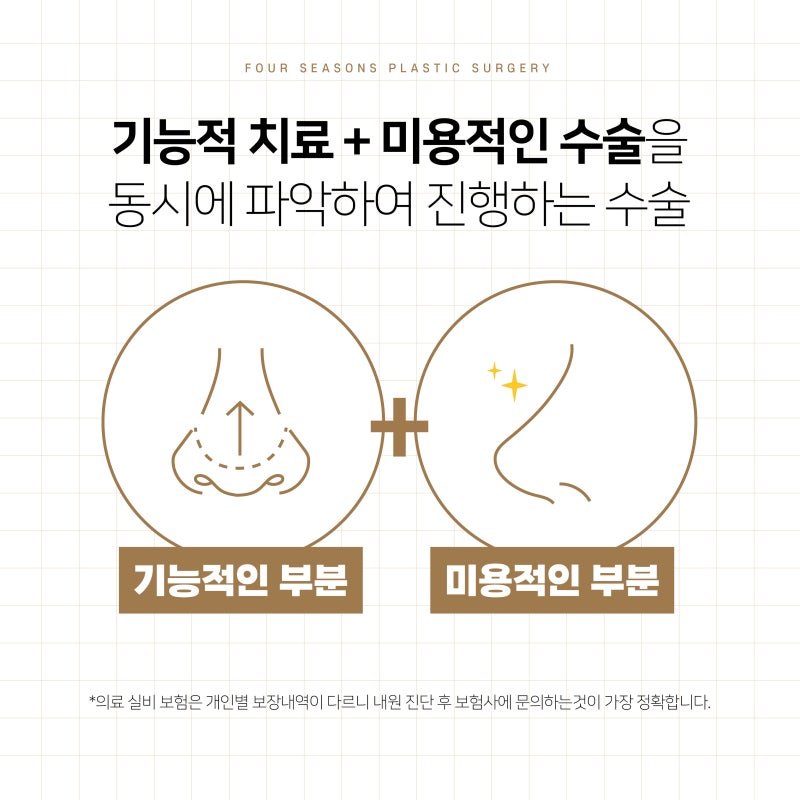
What changes can be expected after Busan functional rhinoplasty? As the breathing space for air to flow is secured, you will feel much more comfortable breathing, and the habit of mouth breathing due to nasal congestion will be alleviated, improving sleep quality.
This is because many people suffer from sleep-related stress.
You will experience more ease in breathing during exercise. Exercise requires a lot of physical exertion, and nasal congestion can cause headaches, leading to a decrease in the quality of daily life. Many people experience stress due to this, but these improvements can help them regain their breath.
Chronic nasal congestion, dryness, and stuffiness are reduced, and symptoms of long-standing rhinitis are alleviated.
Those who feel like they can finally breathe properly will experience immense relief.

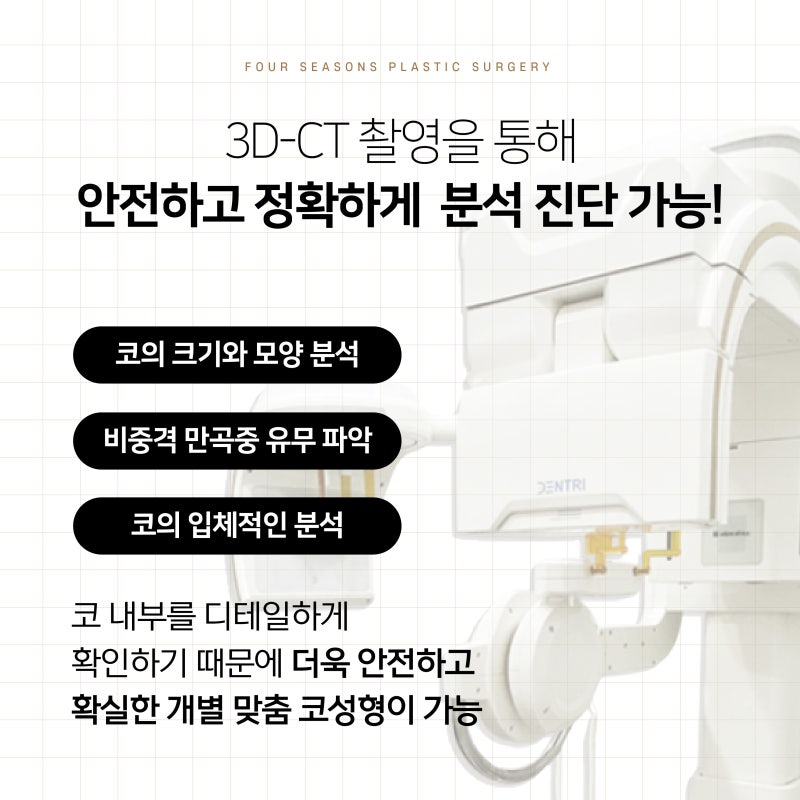
Before Busan functional rhinoplasty, since the cause and structure of each individual's functional nose differ, we highly recommend getting an accurate diagnosis through 3D-CT imaging. A detailed check of the direction and severity of septal deviation, the size of swollen inferior turbinates, and the condition of the nasal valve is essential, so a diagnosis after imaging is required.

Busan functional rhinoplasty is not merely a cosmetic surgery to enhance beauty, but a procedure that can fundamentally improve daily discomfort.
If you have experienced persistent nasal congestion, mouth breathing during sleep, or a feeling of stuffy breathing for a long time, it might not be simple rhinitis but an internal functional problem within the nose.
In the process of correcting function, the overall line of the nose is often refined, leading to both improved breathing and natural harmony. As small daily discomforts persist, the quality of life tends to continuously decline. Therefore, if you are currently experiencing discomfort, we strongly recommend getting an accurate diagnosis.