2026-04-13
Busan Gynecomastia: Steps to Confirm Before Surgery
Gynecomastia, or male breast enlargement, affects many men, causing psychological distress. This article outlines self-diagnosis, stages, and surgical considerations for Busan gynecomastia, emphasizing the importance of professional medical consultation and tailored treatment plans.


Hello. This is Four Seasons Plastic Surgery.
One of the concerns many men suffer from internally,
without being able to express it outwardly, is
‘gynecomastia’ (male breast enlargement).
Busan gynecomastia refers to a condition where a man's chest develops
like a woman's. It's often dismissed as simply being overweight
and neglected, but it's actually a condition that goes beyond a physical complex,
causing psychological withdrawal and stress.
In modern society, where first impressions and self-care are important,
regaining a firm and confident chest line is
a crucial first step to restoring self-confidence.
Therefore, rather than feeling embarrassed and hiding it, one should consider
understanding their condition based on accurate information
and seeking help from medical professionals.
It's a good idea to first check your condition simply
with a self-diagnosis checklist that can help you suspect Busan gynecomastia.
If your chest is unusually developed compared to others,
or if you diligently diet and exercise but only your chest fat
stubbornly remains, you should suspect Busan gynecomastia.
Especially if you have a lean physique but your nipples or areola appear
unusually prominent, or your chest sways when you run,
and if you avoid going out due to a noticeable chest silhouette when wearing thin clothes,
it's highly likely that this is not just simple fat accumulation.
If even one of these symptoms applies to you,
it's better to confirm the proliferation of glandular tissue through a detailed examination
rather than worrying alone.
Self-diagnosis is for reference only, so if you have suspicious symptoms,
it's best to consult a medical professional as soon as possible.
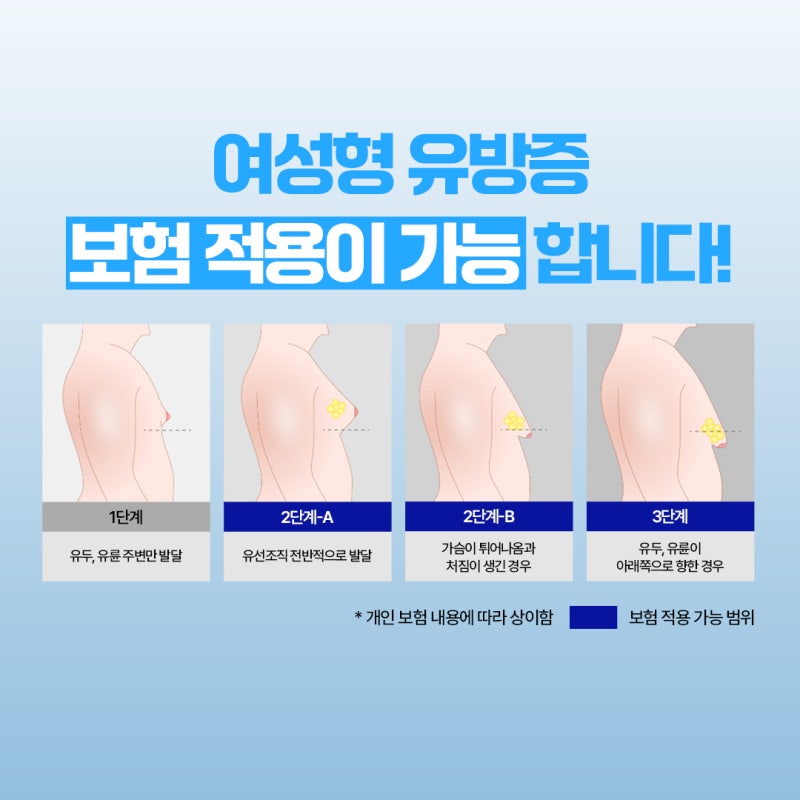
Busan gynecomastia can be covered by insurance
depending on the severity of the symptoms.
It is divided into Stage 1, where only the nipples and areola are subtly developed;
Stage 2-A, where glandular tissue is generally developed;
Stage 2-B, where chest protrusion and sagging begin; and
Stage 3, where sagging is severe enough that the nipples and areola point downwards.
What's noteworthy here is that gynecomastia surgery is not merely for cosmetic
purposes but strongly involves the treatment of a disease.
Typically, from Stage 2 onwards, where glandular tissue development is clear,
actual medical expense insurance (Silbi) may apply depending on individual insurance policies,
which can alleviate the financial burden.
Therefore, it is necessary to undergo a precise diagnosis and confirmation process
to determine which stage your condition falls into.
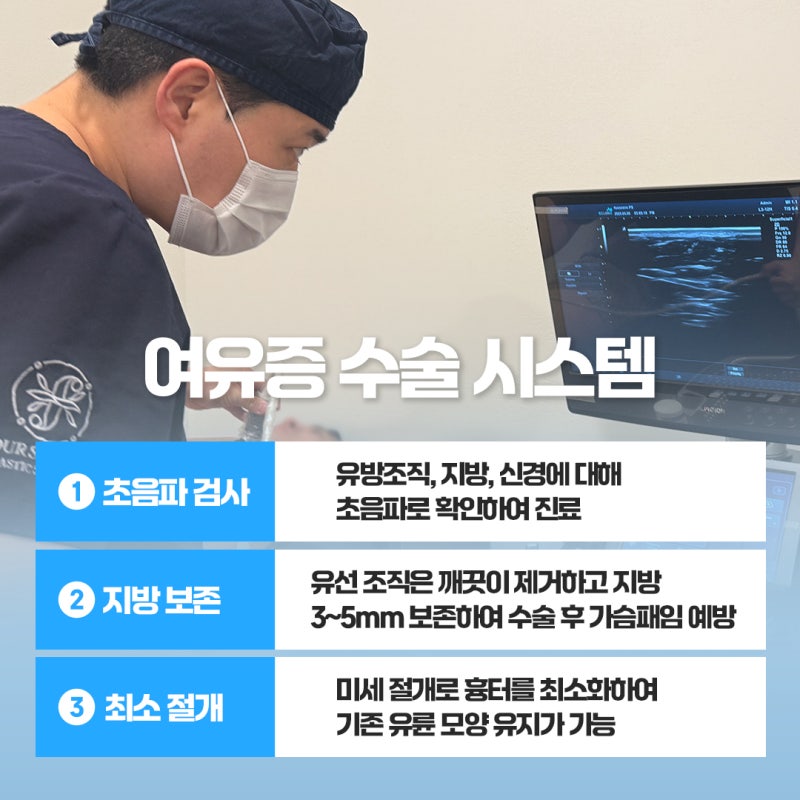
For successful Busan gynecomastia surgery,
it is essential to first meticulously identify the location of breast tissue, fat layer, and nerves
through an ultrasound examination.
In the actual surgical stage, the key is not just to remove fat
but to thoroughly remove the glandular tissue, which is the fundamental cause.
At this time, medical professionals preserve about 3~5mm of appropriate fat
to prevent the side effect of breast indentation.
Furthermore, delicate technical skill is required to minimize scars through micro-incisions,
thereby allowing the natural shape of the existing areola to be maintained even after surgery.
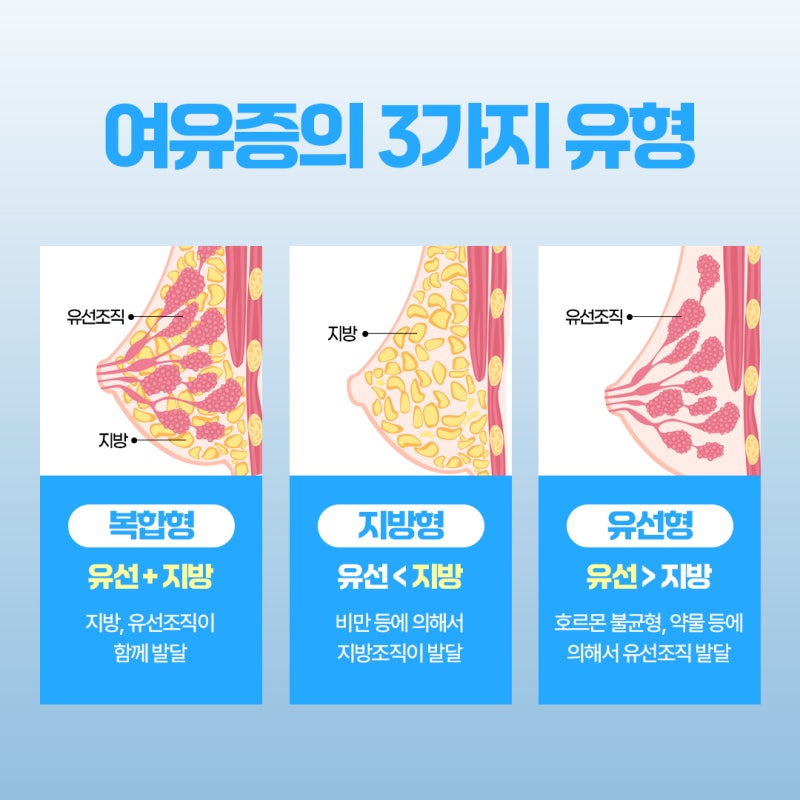
Busan gynecomastia is classified into various types depending on the cause.
First is the ‘complex type’, where both glandular tissue and fat are developed.
Second is the ‘fatty type’, where the proportion of fat is higher than glandular tissue,
primarily occurring due to excessive accumulation of fatty tissue caused by obesity.
Third is the ‘glandular type’, where glandular tissue is more developed than fat,
which can be caused by hormonal imbalance or the use of certain medications.
As the structure and cause of the chest differ for each person,
it is important to create a customized surgical plan
that suits the individual's type.
By accurately identifying your type and proceeding with the appropriate treatment,
you will be able to regain a confident chest line and the self-assurance of everyday life.