2026-02-04
Mid-Face Sagging Improvement with Mini Facelift for Nasolabial Folds in Seomyeon
Discover how a mini facelift can effectively address mid-face sagging and nasolabial folds, offering a less invasive alternative to a full facelift.

Hello. This is Four Seasons Plastic Surgery.
As we age, we sometimes notice that our reflection in the mirror
lacks the elasticity it once had.
While the overall face shape may not be bad,
concerns deepen when specific areas, such as nasolabial folds (smile lines) or jowls,
begin to sag.
When considering improvement for such localized sagging,
a mini facelift emerges as a viable alternative.
The increasing number of people seeking mini facelifts can be seen as a result of the desire
to maintain the effects of a full facelift while reducing the surgical burden.
To find a solution for aging,
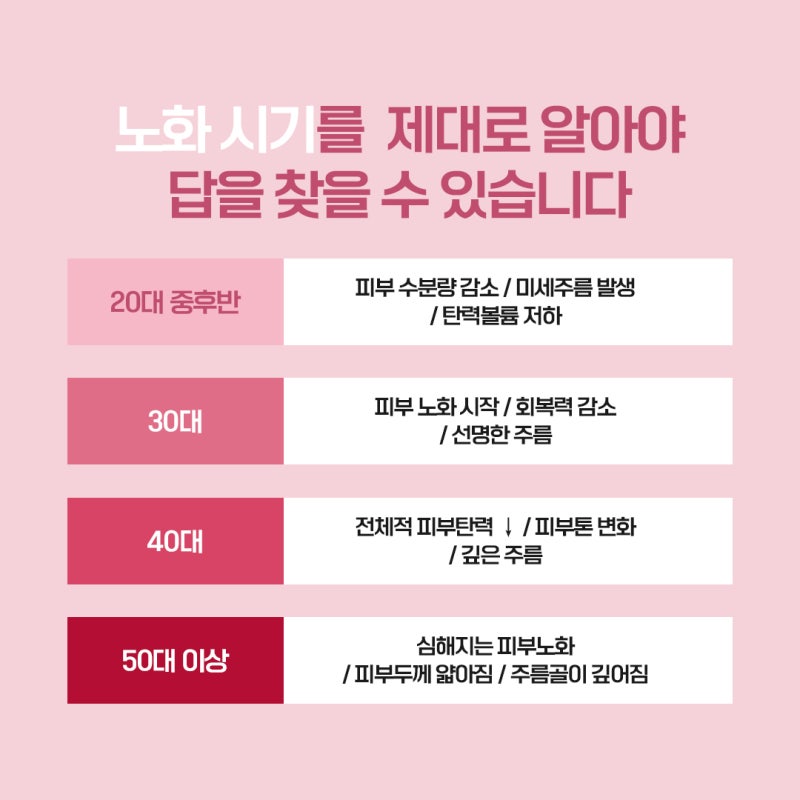
it is crucial to accurately understand your stage of aging first.
From the mid-to-late 20s, skin moisture decreases,
fine wrinkles appear, and elasticity and volume
gradually decline.
In the 30s, skin aging accelerates,
recovery power diminishes, and wrinkles become more prominent.
In the 40s, along with an overall loss of elasticity, changes in skin tone and
deepening, severe signs of aging are experienced.
For those aged 50 and above, the skin thickness itself thins, leading to deeper wrinkle grooves,
resulting in severe aging phenomena.
A mini facelift can help improve problems specifically in the mid-face area
among the various patterns of sagging that appear at each age.

Specifically, a mini facelift refers to a lifting procedure that directly pulls up
the sagging skin in the mid-face, from sagging cheeks to deeply etched nasolabial folds.
While traditional facelifts involve extensive incisions in front of and behind the ears to widely dissect the entire face,
a mini facelift reduces the incision area, thereby lowering the burden of scars and improving localized sagging,
such as nasolabial folds. It is particularly effective for areas like deep jowls or cheek sagging that were difficult to improve with lasers or thread lifts alone.
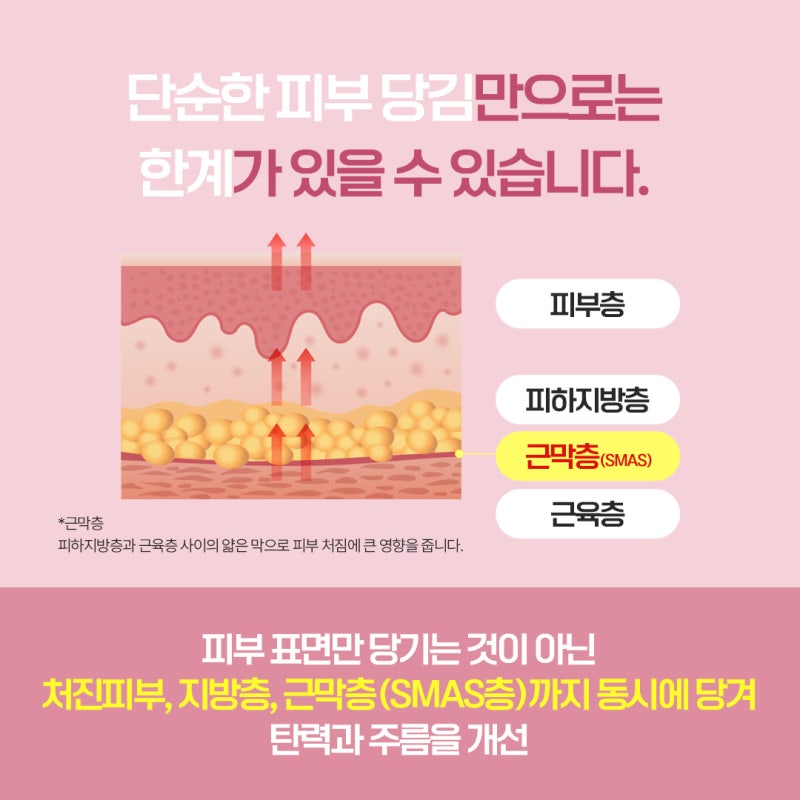
What we need to pay attention to here is that simple
skin tightening alone may have limitations in its lifting effect.
Below our skin, there is not only the skin layer and subcutaneous fat but also
a layer called the SMAS layer, or fascial layer.
The SMAS layer is a thin membrane between the subcutaneous fat layer and the muscle layer,
a key tissue that critically affects skin sagging.
If only the skin surface is pulled, nasolabial folds may reappear
or expressions may become unnatural in the near future.
Therefore, a mini facelift should proceed in a direction that fundamentally improves elasticity and nasolabial folds
by simultaneously pulling up not only the skin surface but also the sagging fat layer and the fascial layer (SMAS layer).

Who needs this mini facelift?
First, it can be a good alternative for those who want to efficiently improve sagging and wrinkles with minimal incisions, for those whose mid-face line is blurred and the overall face line appears spread out, or for those who desire a longer-lasting effect than typical lifting procedures.
Above all, a mini facelift can help improve specific signs of aging such as nasolabial folds, cheek sagging, and mouth corner sagging.
By thoroughly understanding your skin condition and the degree of sagging and consulting with experienced medical staff,
you can expect a more natural improvement in your mid-face area.