2025-02-21
Rhinoplasty Revision: Analysis of Causes by Type Before Proceeding
Rhinoplasty revision requires careful analysis of causes by type. The nose plays a crucial role in facial aesthetics and function. Various issues can arise after initial surgery, necessitating revision. Understanding the optimal timing and materials for revision, along with considering functional aspects like breathing, is essential for a successful outcome.
Rhinoplasty Revision: Analysis of Causes by Type Before Proceeding

The nose is located at the center of the face and plays a crucial role in determining one's facial image. While Busan rhinoplasty might seem like a simple procedure on the surface, the inside of the nose is composed of complex structures. Therefore, when planning, it is best to design the surgical method to match your facial balance. It is advisable to receive a detailed diagnosis that considers not only aesthetic but also functional aspects. However, not everyone who undergoes nose surgery necessarily achieves the desired results, and revision rhinoplasty may be performed for various reasons.
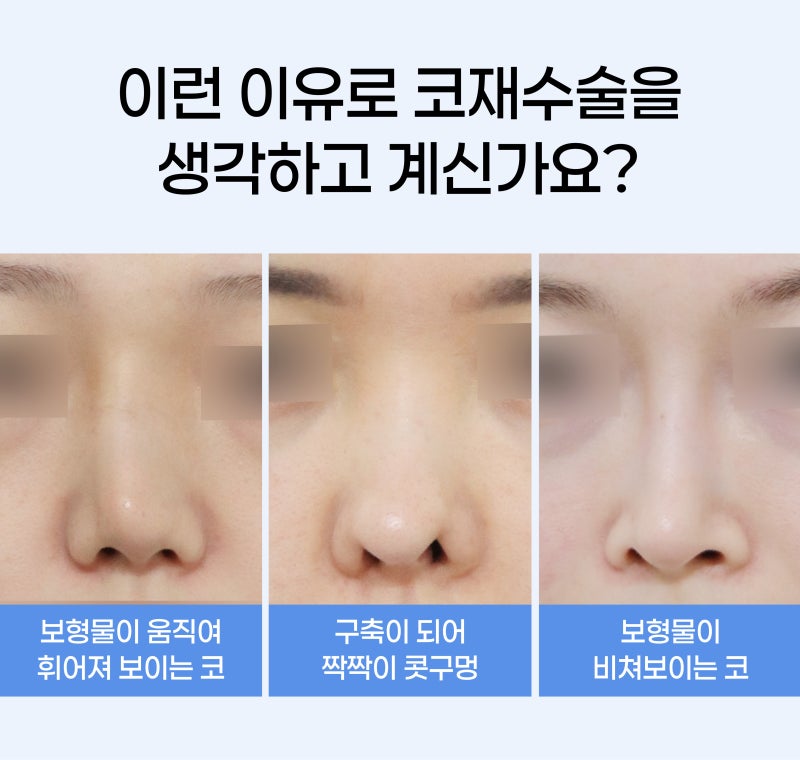
- A nose that appears crooked due to a shifting implant
- Nostrils that are asymmetrical due to contracture
- A nose where the implant is visible
Various problems can occur after nose surgery. If there is inflammation, the existing materials such as implants and artificial dermis must be removed, and Busan revision rhinoplasty should be performed only after they have been thoroughly cleaned to prevent recurrence. External deformation of the nose can cause stress and lead to contracture, so it is crucial to address implant-related issues quickly.
Compared to other areas, the nose has a particularly high rate of revision surgery due to side effects. Of course, side effects are not the only cause. There are also various reasons such as changing trends in nose shapes over time, leading to revision surgery to match them.
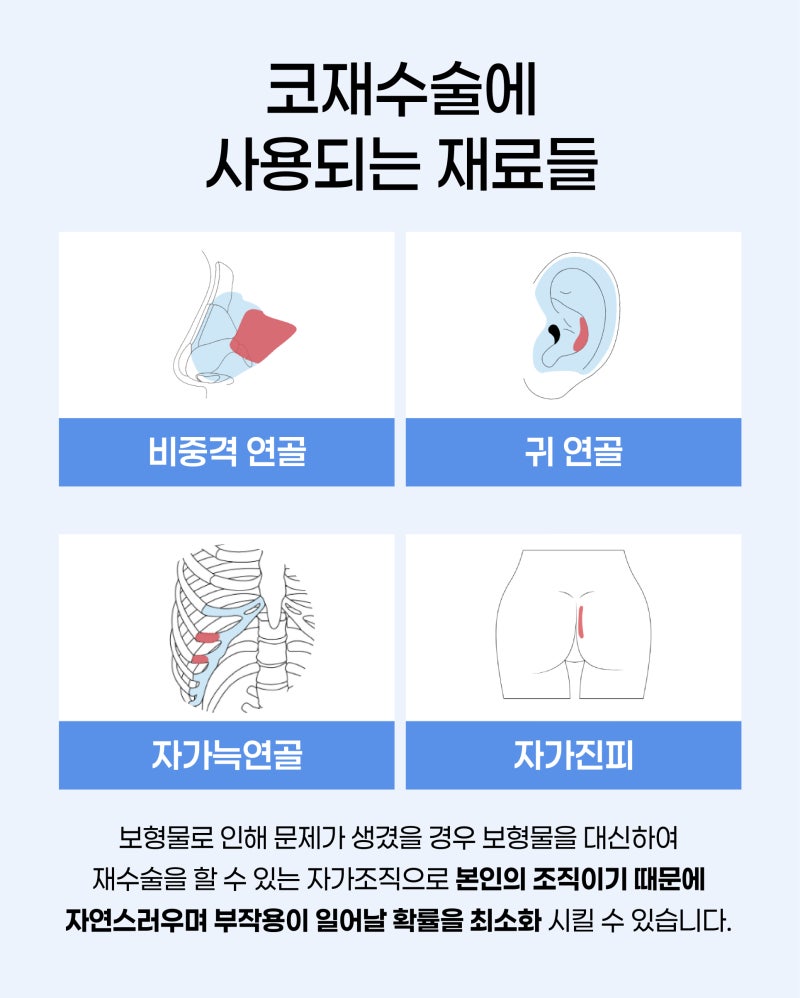
Materials used for revision surgery include septal cartilage, ear cartilage, autologous costal cartilage, and autologous dermis. Septal cartilage can be sculpted to raise the nasal tip or extend the length of the nose. Ear cartilage creates a natural shape for the nasal tip and is a preferred autologous tissue for nasal tip plasty, as it can prevent the implant from showing through if the skin at the tip is thin. Autologous costal cartilage is a cartilage that can minimize side effects, and its strong support and durability allow the nose to be built up without the tip dropping. Autologous dermis is a suitable material for thin skin, allowing for a natural shape.
When is the best time for revision rhinoplasty?
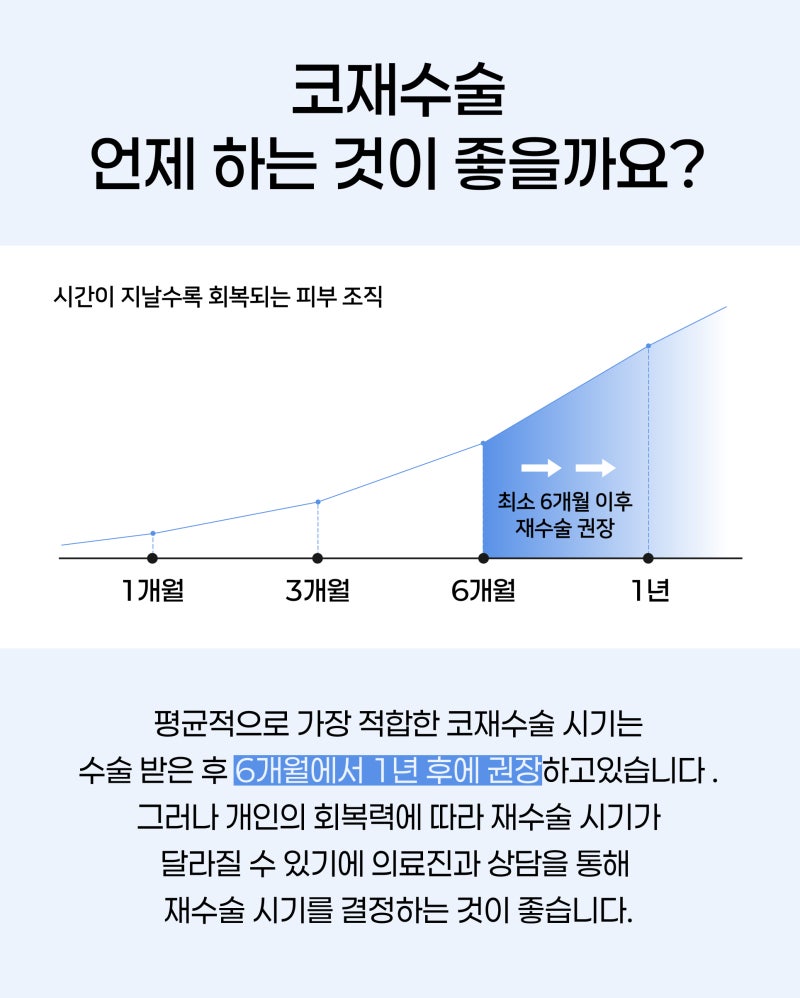
To increase the success rate of revision surgery, it is necessary to recover from the after-effects of the previous surgery. On average, the most suitable time for revision rhinoplasty is recommended 6 months to 1 year after the initial nose surgery. However, the timing of revision surgery may vary depending on individual recovery, so it is best to consult with Busan rhinoplasty medical staff to determine the appropriate time.
The nose plays a crucial role in aesthetics, but it also has important functions such as breathing and smell. Therefore, some individuals with conditions like sinusitis or rhinitis may find it difficult to perform the functions of the nose. When functional impairment occurs due to structural abnormalities of the nose, functional rhinoplasty can be considered. Functional rhinoplasty is a surgical method that improves various nasal disease problems to restore functional aspects and create a beautiful nose line aesthetically.
Types of functional rhinoplasty include deviated septum, rhinitis, and nasal valve stenosis. In the case of deviated septum surgery, septoplasty is performed by removing the deviated septal cartilage and bone, then straightening and correcting its shape.
Rhinitis can be improved by shrinking the hypertrophied mucous membrane to a normal range, and nasal valve stenosis is a condition where the nasal valve, the breathing control area in the upper part of the nose, narrows, causing problems such as nasal congestion and sleep disorders.
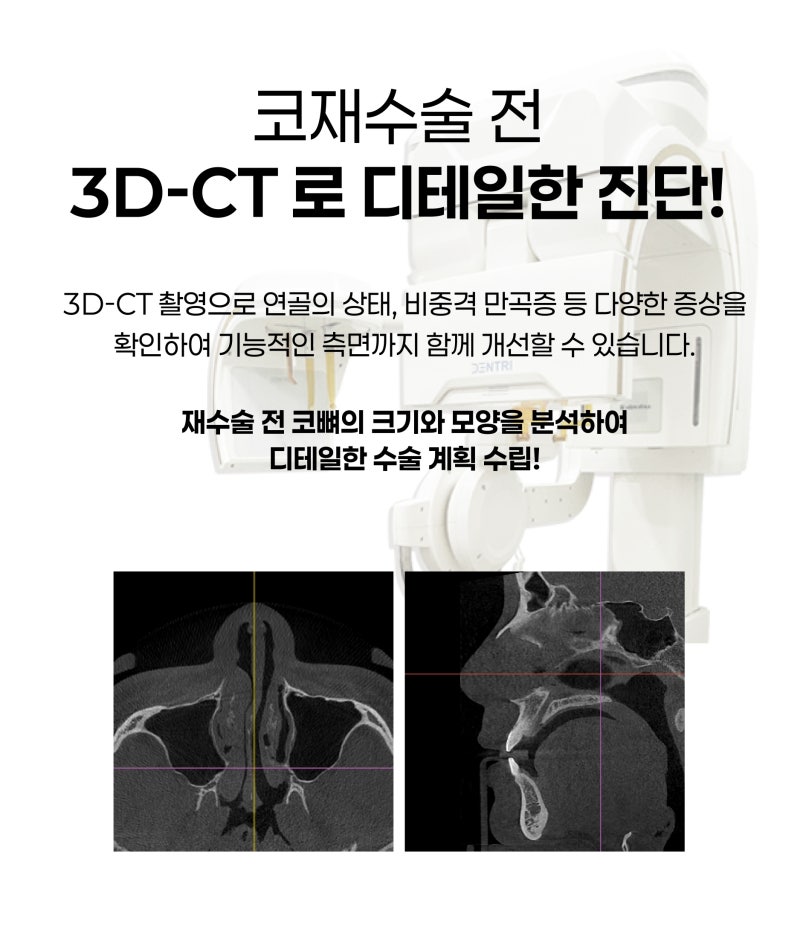
It is difficult to assess the inside of the nose with the naked eye alone, and accuracy is low, so it is necessary to undergo an examination with 3D-CT. 3D-CT imaging can confirm various symptoms such as the condition of the cartilage and deviated septum, allowing for improvement of functional aspects as well. Before revision rhinoplasty, the size and shape of the nasal bone can be analyzed to establish a detailed surgical plan.
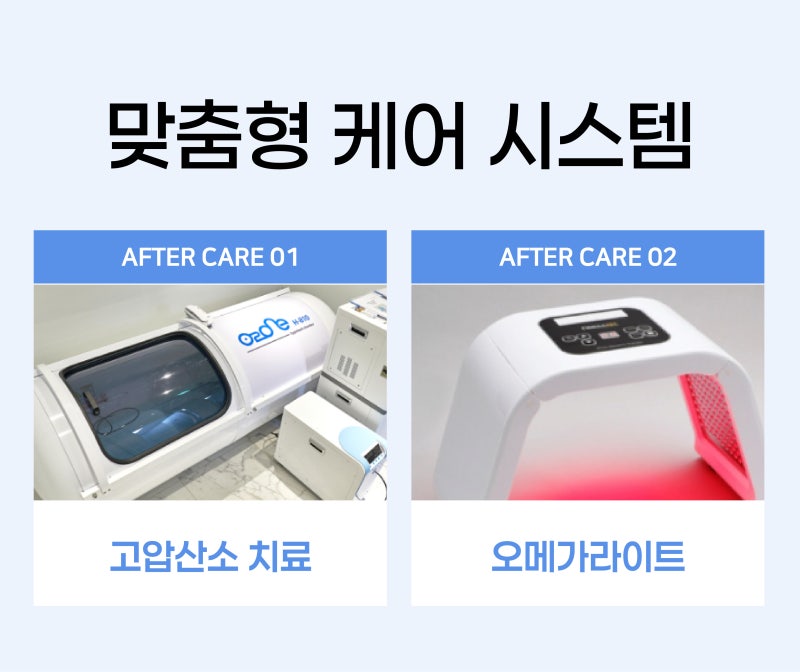
To aid recovery after revision surgery, hyperbaric oxygen therapy supplies high-pressure, high-concentration oxygen to damaged tissue cells, helping with wound healing and inflammation prevention. It also enhances detoxification, aiding in waste and toxin elimination and fatigue recovery, and has immune-boosting and anti-aging effects. Omega Light is effective for skin regeneration, promoting blood circulation, and pain relief through its four wavelengths.
Revision rhinoplasty requires an even more careful choice as it must address the causes of side effects and prevent further failures. Therefore, please consider the medical team's experience and treatment system carefully when making your selection. Thank you.