2026-11-19
Seomyeon Rhinoplasty: Start with Facial Proportions, Not Just Height
Seomyeon rhinoplasty starts with facial proportions, not nose height. Learn about implant-free options using your own tissue and when revision surgery may be considered.

Have questions? Message us on Naver TalkTalk!


What kind of nose would suit me?
Some people come in with a clear idea of the nose shape they want.
But quite a few people also say things like this:
“Just make it look natural.”
“Please make it suit my face.”
Lately, rather than a nose that is simply high, more people
want a change that is not excessive and suits their own face.
So rather than simply raising the height or copying a trendy design
as it is,
the first step is to find proportions that suit your own face.

Before deciding on a nose shape, we look at the whole face.
When planning the design for Seomyeon rhinoplasty, the first thing we look at
is the overall balance and harmony of the face.
1. Height of the forehead and the area between the brows
2. Eye size and spacing
3. Proportions of the mouth and chin
4. Thickness of the nasal skin
5. Structure of the existing nose and cartilage condition
After analyzing these factors together, we determine the nose height
and the shape of the nasal tip.
Even the same nose shape can look
completely different depending on the face.

Implant-free rhinoplasty: your own tissue instead of an implant
Implant-free rhinoplasty at Seomyeon does not use artificial implants such as silicone.
Instead, it uses your own tissue (autologous tissue)
to refine the nasal tip and the shape of the nose.
There are many different types of implant products as well.
However, some people feel psychological unease about placing materials
that are not their own tissue inside their body.
For these people, Seomyeon implant-free rhinoplasty
can be one of the options to consider.
Four types of autologous tissue used in Seomyeon rhinoplasty

1. Septal cartilage
This is the cartilage inside the wall that divides the two nostrils.
It is straight and flat with good structural support,
so it is used to shape the nasal tip and columella.

2. Auricular (ear) cartilage
It has soft elasticity and is used to reinforce the shape of the nasal tip.

3. Autologous rib cartilage
It is highly durable and is used when firm structural support is needed.
It can also be considered when septal cartilage is lacking due to repeated surgeries,
making it an autologous tissue option worth considering.
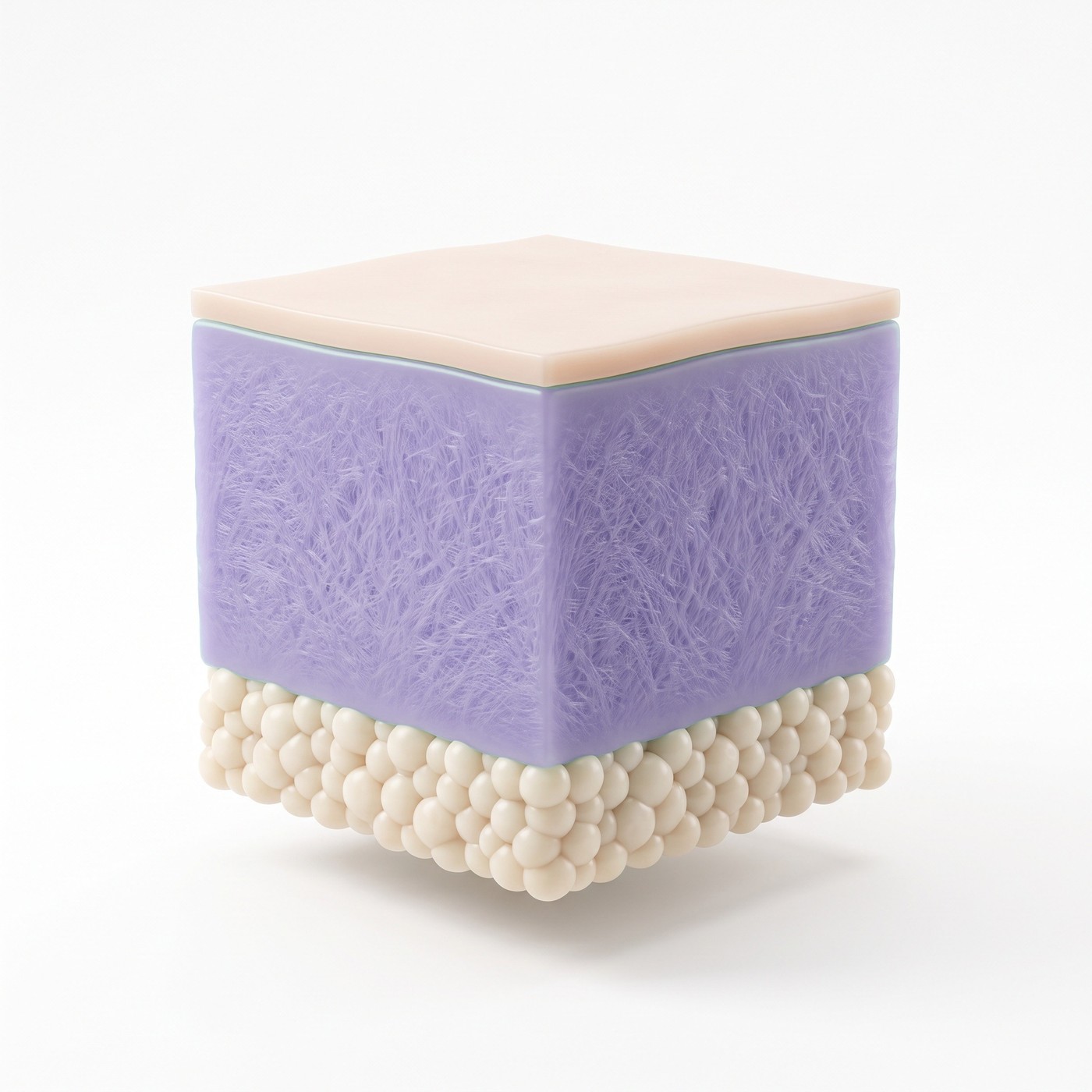
4. Autologous dermis (from the buttock)
It is soft and tends to cause less foreign-body sensation,
so it is considered for people with thin skin.
It is also used to smooth the dorsum of the nose.
Concerned about your nasal tip?
*Bulbous nasal tip – when the tip looks round and wide
*Drooping nasal tip – when the tip looks like it sags downward
*Upturned nasal tip – when the tip looks lifted upward
In such cases, correction methods that adjust the nasal tip and
contour to suit facial proportions can be considered.
Seomyeon rhinoplasty is not about changing the nose in isolation;
it is about refining the nose in a direction that harmonizes with the face.
When autologous tissue is suitable and when other methods are needed
Implant-free rhinoplasty is not right for everyone.
Whether Seomyeon rhinoplasty is suitable depends on the condition of your nose
and the extent of change you want.
When autologous tissue may be considered
* When your existing nasal bridge already has a certain level of height
* When you prefer a change that suits your face over an excessively high nose
* When you feel psychological unease about implants
When other methods should also be considered
* When the nasal bridge needs to be raised significantly
* When significant structural improvement is needed
Which method is right for you should be decided
after a thorough consultation with a specialist,
and only then should the surgical plan be finalized.
Can implant-free rhinoplasty be done for revision rhinoplasty? Yes, it can.
After a first rhinoplasty, if you experience unexpected results or side effects
and are considering revision rhinoplasty,
implant-free rhinoplasty is also an option.
Implant-related cases
* The nasal tip gradually droops over time
* The implant shows through the skin or protrudes
* The implant is not fixed in place and moves when touched
Shape-related cases
* The nostrils are asymmetrical or are very visible from the front
* The nasal dorsum is wide and looks flat, lacking dimension
* The hooked-nose correction was insufficient, leaving the nasal profile uneven
Revision rhinoplasty is possible at least six months
after the initial procedure.
Once the recovery of the tissue and skin has been checked,
it is best to determine the appropriate timing for revision surgery.
If inflammation has developed due to an implant,
the cause of the inflammation is treated first.
In revision rhinoplasty, when repeated surgeries have left too little septal cartilage
or when stronger structural support is needed, autologous rib cartilage can be considered.
When the skin is thin and the implant may show through, autologous dermis can be considered.
Revision rhinoplasty requires more evaluation than the first surgery.
We first analyze the current condition of the nose and the cause of problems
that arose after the previous surgery, and then decide on the appropriate Seomyeon rhinoplasty method.

Recovery and aftercare are also part of the Seomyeon rhinoplasty process.
1. Quit smoking – Smoking impairs blood circulation and can delay recovery, so we do not recommend it.
2. Avoid alcohol – Drinking can affect bleeding and swelling.
We recommend avoiding smoking and alcohol for a set period after surgery.
3. Disclose any medications you are taking – Some supplements and medications can affect bleeding.
If you are taking anything, be sure to let your medical team know!
4. Get enough rest – For faster recovery, manage your condition and rest well.
5. Previous surgeries and allergies – Please share details about any previous surgeries, symptoms, and allergies during your consultation!
Harmony first, not height
If you want a nose that is not excessive and still preserves your natural look,
start by thoroughly discussing your current nasal condition
and the changes you hope to make.
Depending on each person's nasal condition, the method and results of Seomyeon rhinoplasty
may vary.
After a thorough consultation and reviewing the precautions,
we recommend deciding on Seomyeon rhinoplasty in a planned way.
Have questions? Message us on Naver TalkTalk!

















Frequently Asked Questions
Does Seomyeon rhinoplasty start with nose height?
No. Rather than setting the nose height first, we begin by assessing the overall facial proportions and harmony. Based on a combined review of the height of the forehead and the area between the brows, eye size and spacing, the proportions of the mouth and chin, nasal skin thickness, and the existing nasal structure and cartilage condition, we determine the nose height and nasal tip shape.
What is implant-free rhinoplasty?
Implant-free rhinoplasty refines the nasal tip and nose shape using your own tissue (autologous tissue) instead of artificial implants such as silicone. For people who feel psychologically uneasy about placing non-autologous materials in their body, it can be one of the options to consider.
What types of autologous tissue are used in Seomyeon rhinoplasty?
Four types are introduced: septal cartilage, auricular (ear) cartilage, autologous rib cartilage, and autologous dermis (harvested from the buttock). Septal cartilage is used to shape the nasal tip and columella, while ear cartilage, with its soft elasticity, is used to reinforce the nasal tip. Autologous rib cartilage is considered when strong structural support is needed, and autologous dermis is considered for patients with thin skin.
Is implant-free rhinoplasty also possible for revision rhinoplasty?
Yes, it is. Those considering revision rhinoplasty due to unexpected results or side effects after a first rhinoplasty can also undergo implant-free rhinoplasty. If septal cartilage is insufficient due to repeated surgeries, autologous rib cartilage can be considered. If the skin is thin and there is a risk of the implant showing through, autologous dermis can be considered.
When can revision rhinoplasty be performed?
Revision surgery is possible at least six months after the initial procedure. However, it is recommended to confirm the recovery of the tissue and skin before determining the appropriate timing. If inflammation has developed due to an implant, the cause of the inflammation is treated first.
How should I manage recovery after Seomyeon rhinoplasty?
Recovery care guidelines include quitting smoking, avoiding alcohol, disclosing any medications you are taking, and getting plenty of rest. Smoking impairs blood circulation and can delay recovery, so it is not recommended. Alcohol can affect bleeding and swelling, so avoiding it for a set period after surgery is recommended.